How to Use an Eye Color Chart
An eye color chart lines up the main shades on a single scale so you can compare your iris against a clear reference instead of guessing.
It is most useful when your color sits between two categories, like hazel and light brown, or blue and gray.
The Chart, From Most Common to Rarest
Brown is the most common (about 70-79% of people), followed by blue (8-10%). Hazel is a green-brown-gold mix, and amber is a uniform golden or copper tone.
Green is one of the rarest at around 2%, and gray is rarer still, with a silvery or smoky look. Each color also spans light to dark variations.
Warm Shades vs. Cool Shades
Warm eye colors include brown, amber, and most hazel eyes, with golden and copper undertones.
Cool eye colors include blue, gray, and some greens, where light scattering matters more than pigment. Knowing whether your eyes run warm or cool also helps with makeup and wardrobe choices.
Place Your Own Eyes on the Chart
Take a close-up photo in natural light without filters, then compare your iris to the chart for both the base color and any secondary tones.
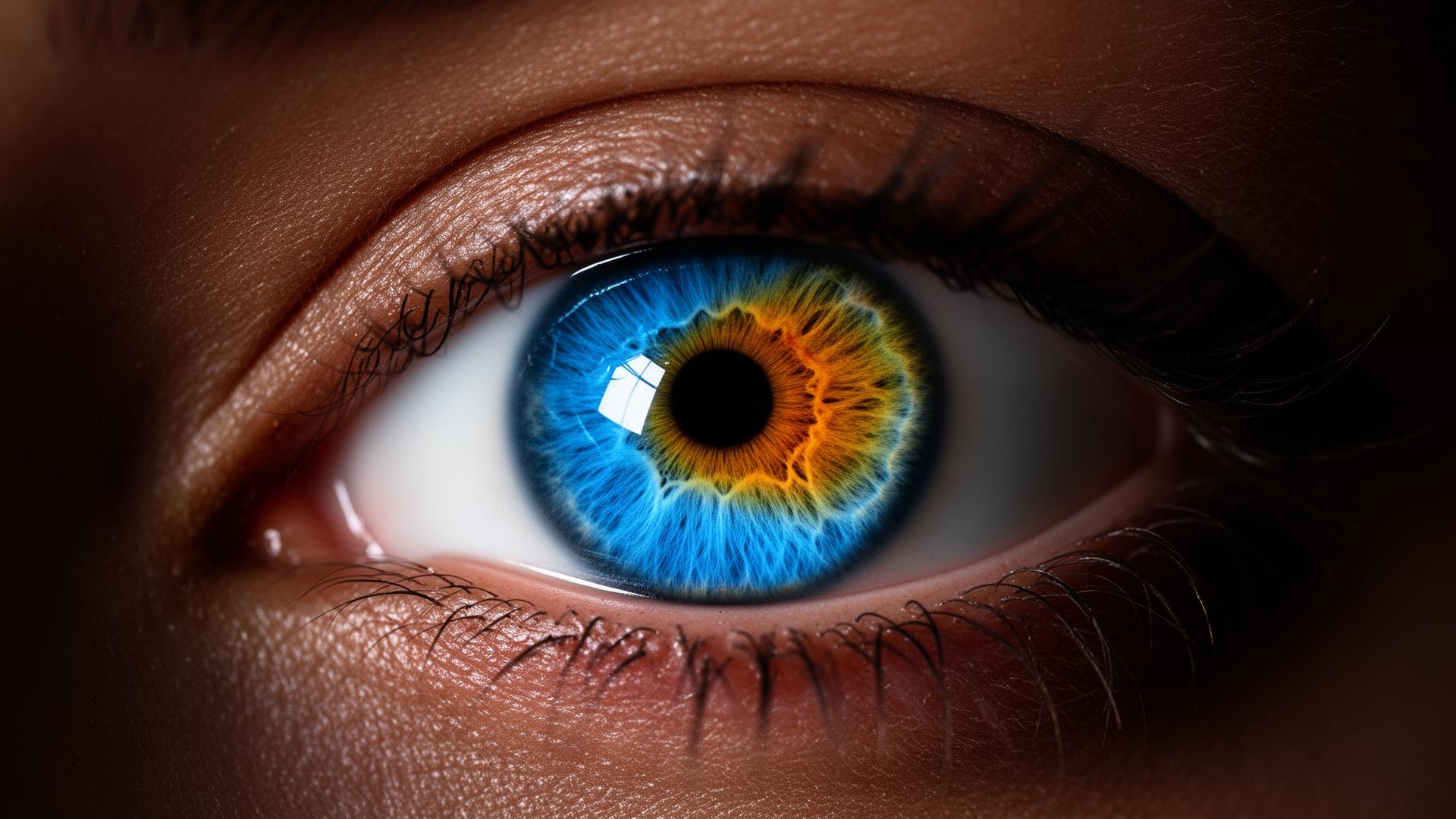
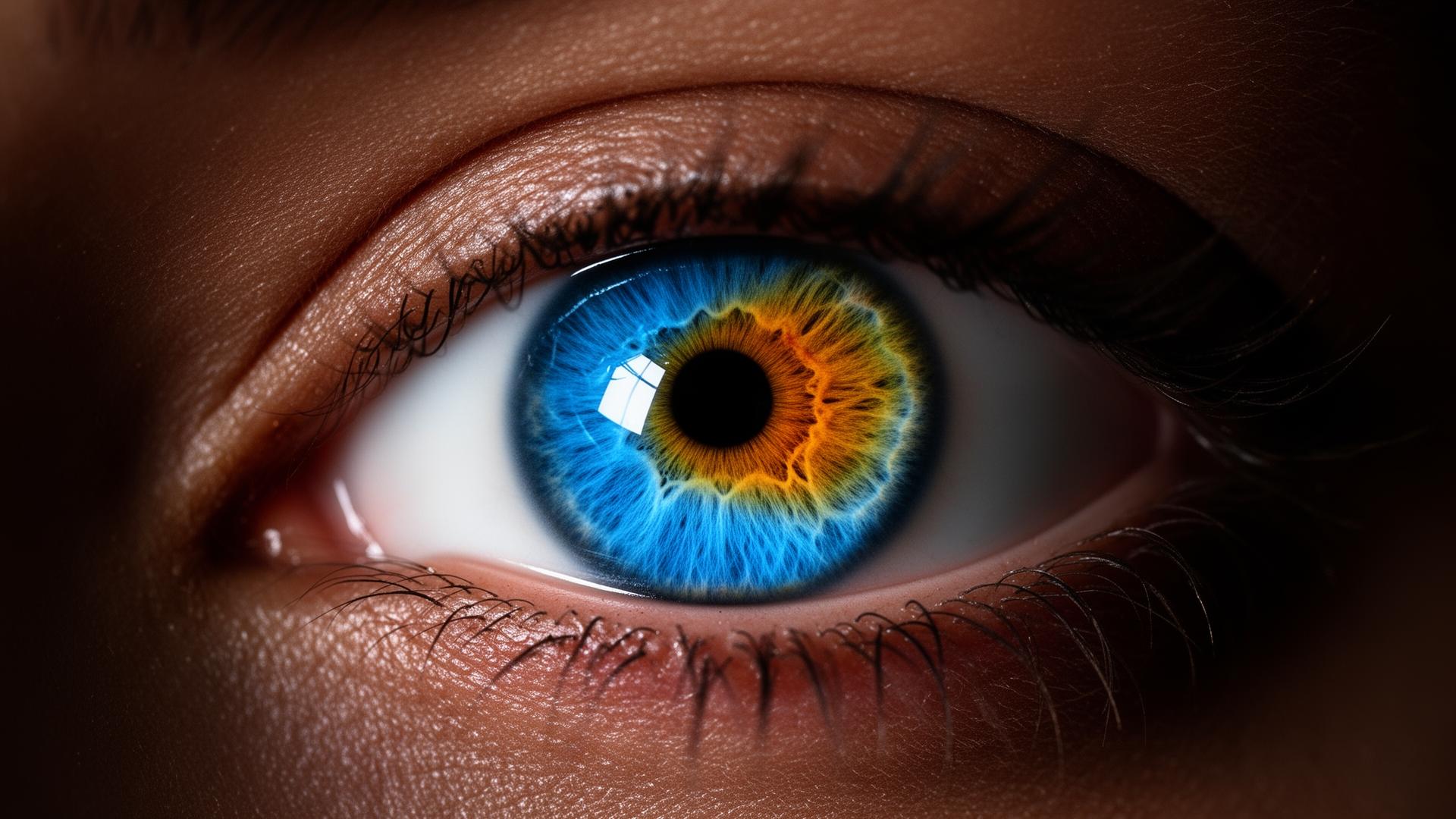
Look closely at whether your eye matches a single shade or blends several, which is very common with hazel and amber eyes.
Beyond the Chart
A chart is a great starting point, but an AI analysis can pinpoint exactly where your eyes fall on the scale and catch undertones the eye misses.
For color-specific details, pair this chart with the rarity guides for green, blue, hazel, gray, amber, and brown eyes.