What the "How Rare Is My Eye Color" Test Measures
A rarity test compares your eye color to how common that color is across the world's population. The rarer your shade, the higher you score.
It is not about whether your eyes are "better" than anyone else's. It is a simple way to understand where your iris lands on the global scale.
Eye Color Rarity, From Common to Rare
Brown is by far the most common, found in roughly 70-79% of people worldwide. Blue comes next at around 8-10%, followed by hazel and amber.
Green is one of the rarest natural eye colors at about 2%. Gray is even less common, and true violet is rarest of all, often caused by light reflecting off a very pale iris.
Why Rarity Also Depends on Where You Are
Eye color rarity is not the same everywhere. Blue eyes are common in parts of Northern Europe but rare across most of Asia, Africa, and South America.
That means the same eye color can feel ordinary in one country and unusual in another. A good rarity test considers the global picture, not just your local one.
How to Get an Accurate Rarity Result
Use a sharp, close-up photo in natural light with the iris filling most of the frame. Skip filters, beauty mode, and colored contacts.
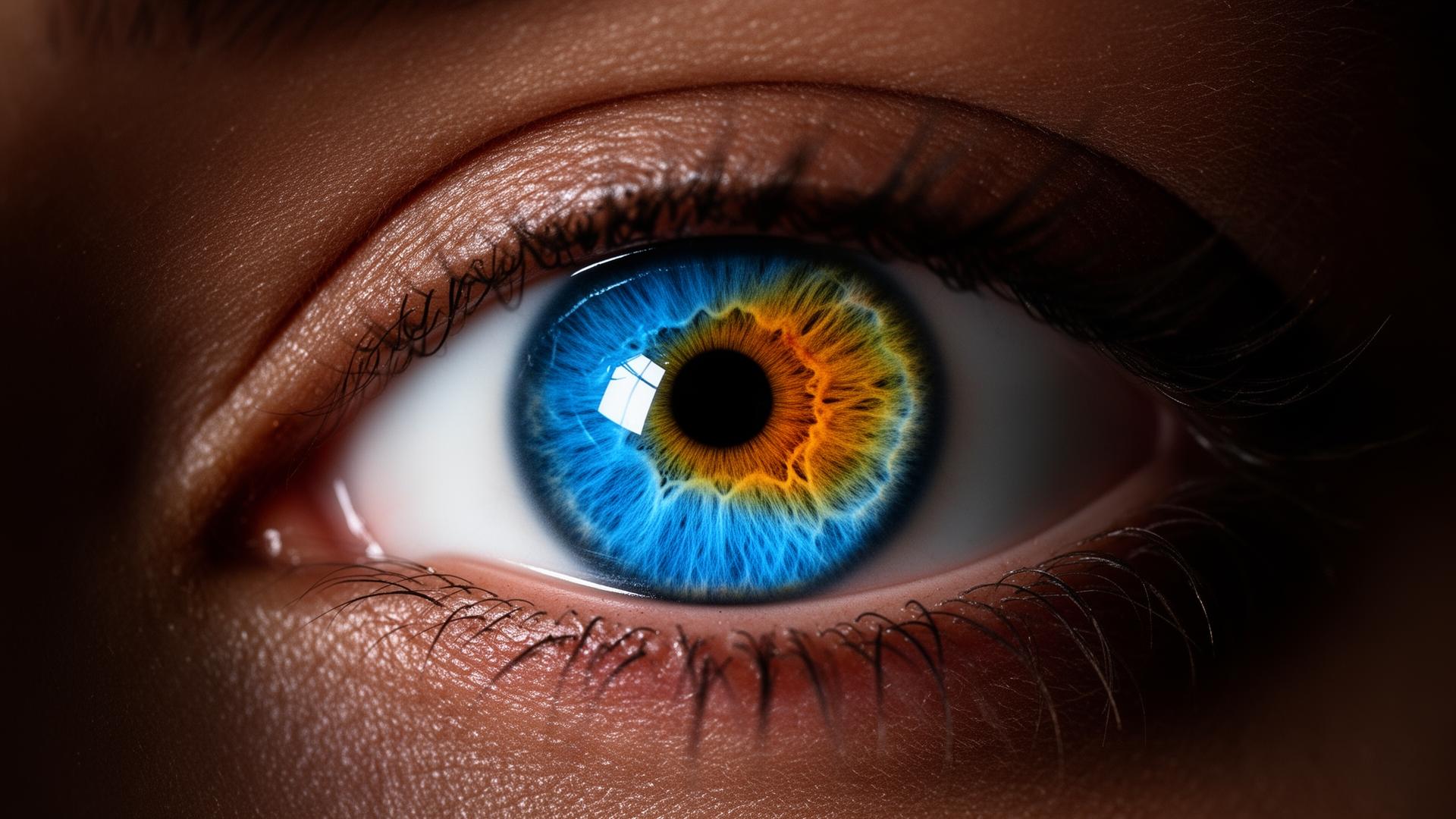
Many eyes are mixed, so the rarity often comes from secondary tones, like gold flecks in brown eyes or a green ring around a hazel iris.
From a Score to Understanding Your Eyes
A rarity score is a fun starting point, but the more interesting part is why your eyes scored that way. Was it a rare base color, or unusual undertones and patterning?
An AI analysis can show your base color, hidden tones, and an estimate of how rare your shade is, all from a single photo, so the number actually means something.
