A Beauty Ranking Is Always Subjective
Searches for the most beautiful eye color are really searches about taste, rarity, and visual impact. No eye color is objectively the best, but some shades get talked about more because they are less common or photograph dramatically.
That is why beauty ranking pages work best when they explain the reasons behind the preference instead of pretending the order is universal truth.
Why Green and Hazel Often Rank Near the Top
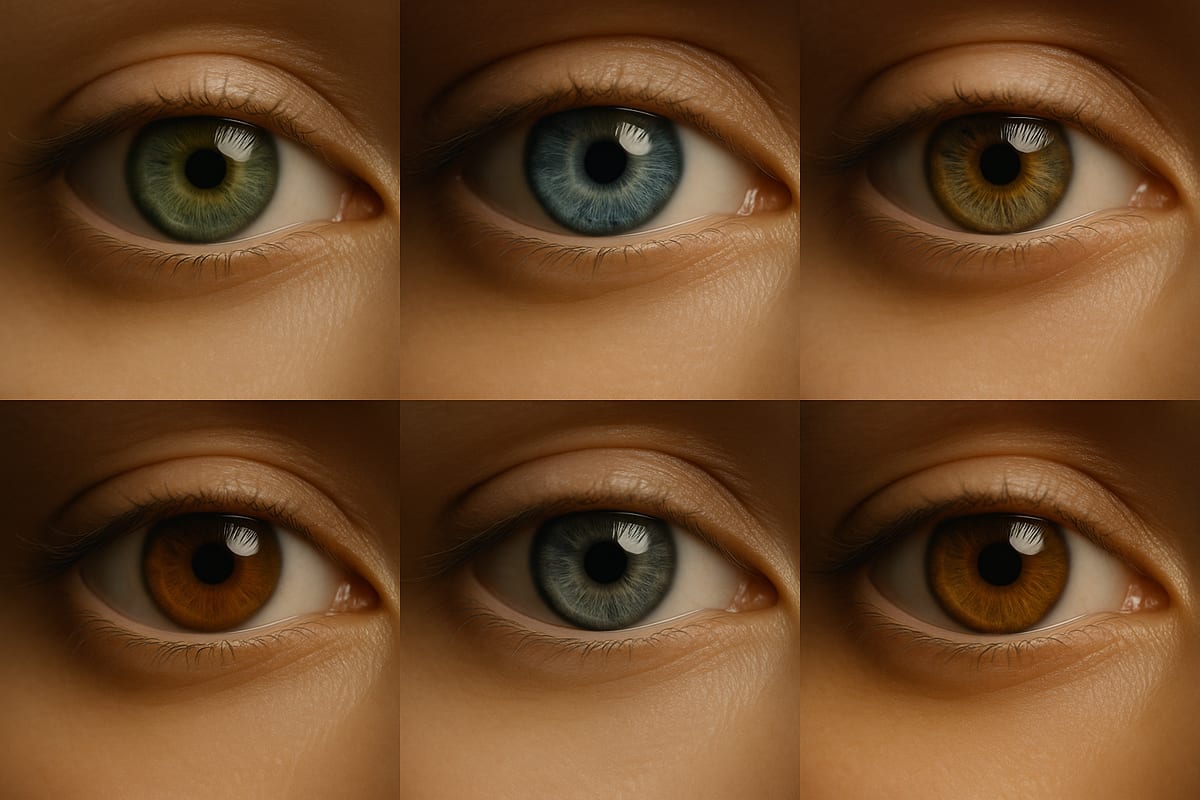
Green eyes are often ranked highly because they are rare and visually vivid. Hazel eyes also place well because they can combine green, brown, and gold tones in a way that changes across lighting.
In beauty culture, rarity often gets mistaken for superiority. Readers usually respond to contrast and complexity, not just to the base label.
Why Blue Eyes Dominate Popular Lists
Blue eyes show up at the top of many popularity-based rankings because they stand out strongly in photos, film, and social media thumbnails. Their brightness creates immediate contrast, especially against darker lashes or brows.
That visibility helps blue eyes perform well in public voting and viral listicles even in places where blue eyes are not common.
Brown, Gray, and Amber Eyes Deserve More Credit
Brown eyes are often underestimated in ranking content because they are common, but they can show the richest depth in natural light. Honey-brown, dark espresso, and brown-hazel eyes all create very different beauty effects.
Gray and amber eyes often rank lower only because people see them less often. When readers encounter a clearly gray or amber iris, the response is usually very strong.
What Actually Makes an Eye Color Look Beautiful
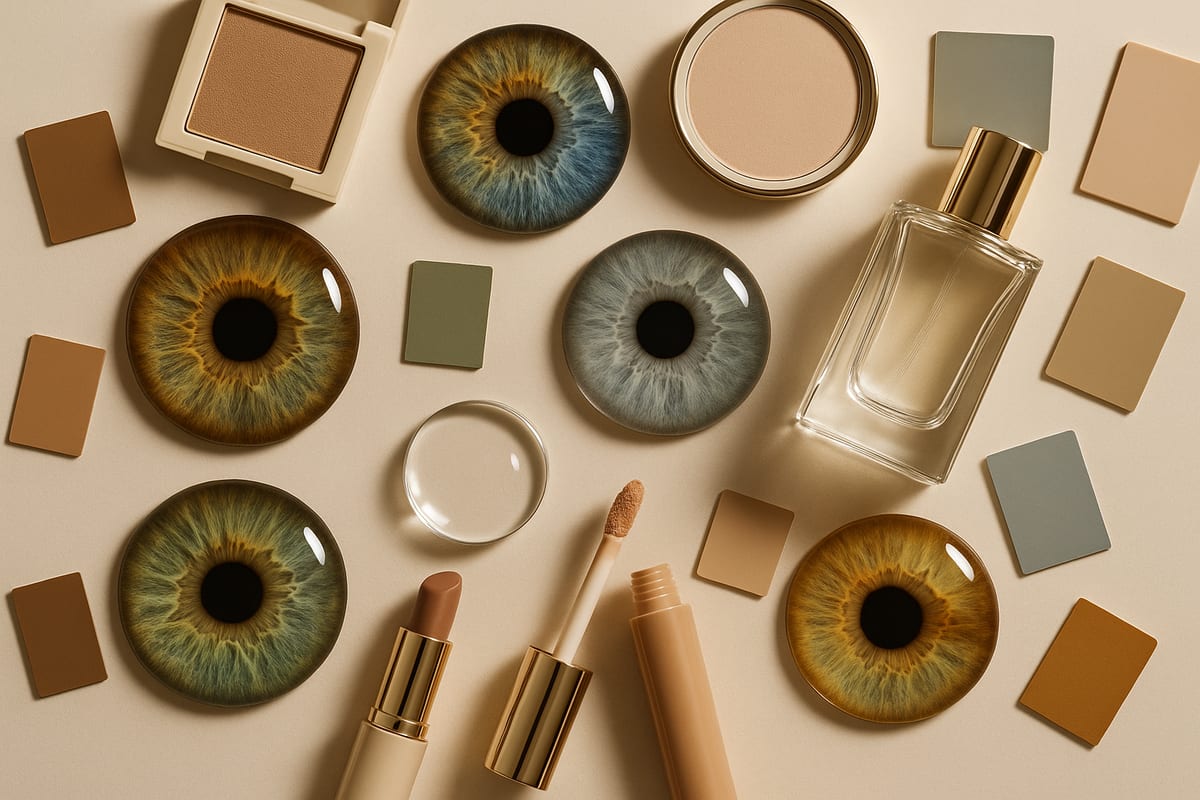
Beauty reactions usually come from contrast, clarity, iris pattern, limbal ring definition, and the way color shifts in motion. Skin tone, hair color, and surrounding makeup matter too.
That means the same eye color can look ordinary in one setting and unforgettable in another. Ranking without context leaves out the most important variables.
A Better Question Than Best Eye Color
Instead of asking which eye color is best, it is usually more useful to ask what kind of beauty effect an eye color creates. Brown eyes may read warm and rich, blue eyes crisp and bright, and hazel eyes dimensional and changeable.
That perspective helps readers understand why rankings keep changing across cultures, age groups, and media trends.