Why Rare Celebrity Eye Colors Get So Much Attention
Celebrity eye color articles usually attract readers for one of three reasons: curiosity, beauty inspiration, or comparison. Rare-looking eyes stand out in red-carpet photos, close-up interviews, and fan discussions.
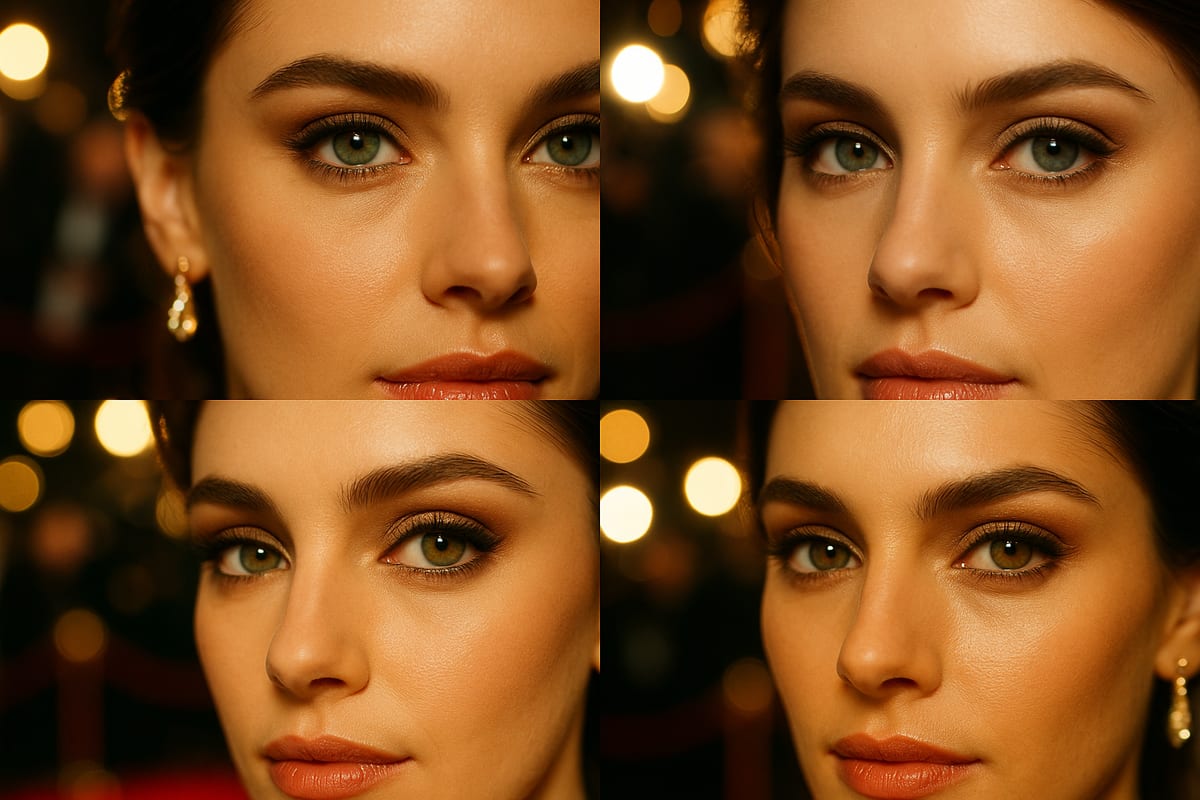
The catch is that celebrity eye color is not always easy to verify. Contacts, retouching, studio lighting, and color grading can all make the same person appear blue-eyed in one photo and hazel-eyed in another.
Celebrities Often Described as Having Green Eyes
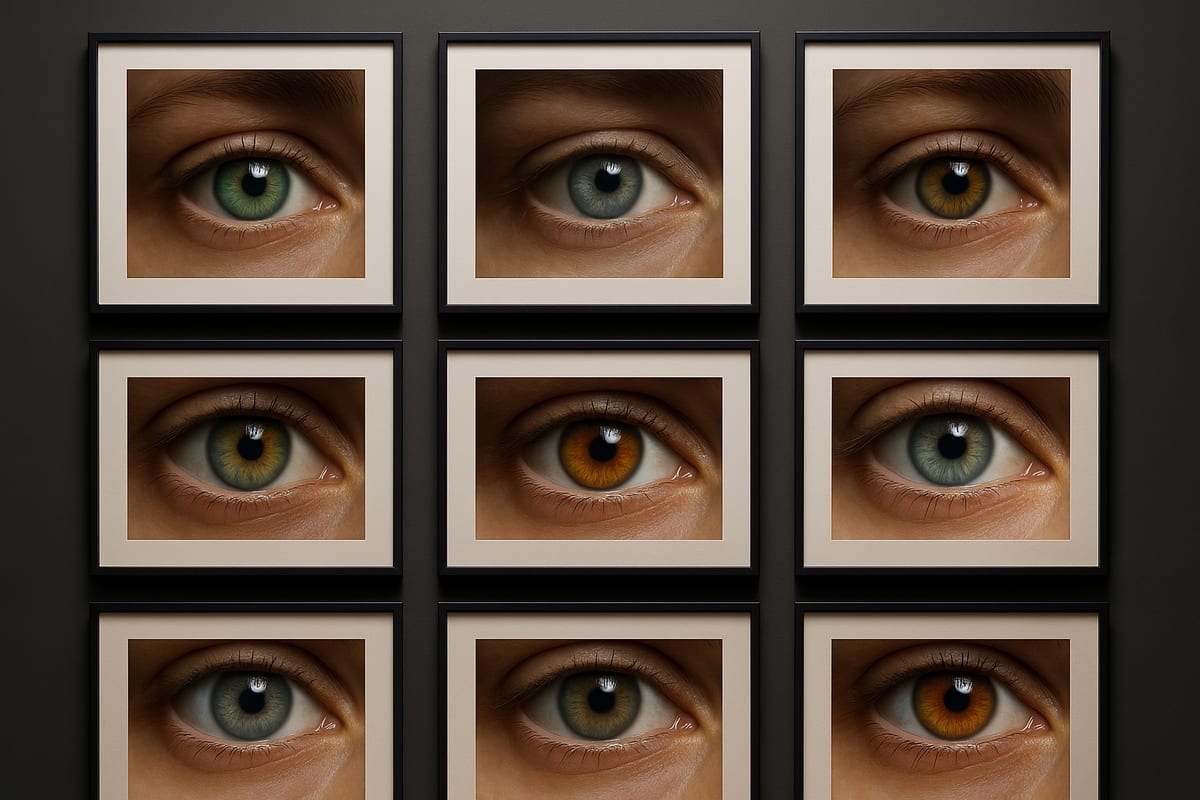
Green-eyed celebrity roundups frequently mention names such as Adele, Emma Stone, Scarlett Johansson, and Jensen Ackles. Some public photo sets show clearly green or green-leaning eyes, while others look blue-green depending on lighting.
That variation is normal. Many so-called green celebrity eyes sit on a spectrum between green, gray-green, and hazel, which is one reason they attract attention.
Hazel, Gray, and Amber-Looking Celebrity Eyes
Aishwarya Rai is often cited in discussions about hazel or green-hazel eyes, while public coverage of stars like Rihanna and Tyra Banks also frequently shifts between hazel, green, and light-brown descriptions.
Gray and amber are even harder to confirm from public images because they are sensitive to lighting and editing. When a list claims certainty, readers should treat it cautiously.
Heterochromia and Unusual Eye Cases
Some of the most searched rare-eye celebrity examples involve heterochromia or partial color differences. Kate Bosworth is commonly cited for sectoral heterochromia, and Mila Kunis is often mentioned because her eyes appear different after a medical history that affected pigmentation.
These examples are easier to discuss than subtle shade claims because the difference is documented and visually distinct. They also show that unusual eye color conversations are not always about a single color label.
How to Tell Whether a Celebrity Really Has a Rare Eye Color
The most reliable approach is to compare multiple unedited public photos, interviews, and consistent descriptions over time. If a person is listed as blue-eyed in one source, green-eyed in another, and hazel-eyed everywhere else, the exact label is probably not settled.
That is why source-backed articles should use phrases like often described as, appears to have, or green-hazel leaning rather than presenting every claim as definitive.
What These Lists Are Really Useful For
Celebrity eye color lists are best used for visual inspiration. They help readers compare undertones, contrast, lash color, makeup pairings, and the way eye color interacts with skin tone and hair.
For a precise answer about your own eyes, a direct scan is more useful than comparing yourself with edited photos of public figures.