Why People Search for Eye Color Meanings
Search results for eye color meanings usually mix personality myths, cultural symbolism, dating advice, and beauty commentary. That is why readers often see the same claims repeated with very little context.
A better answer is to separate popular beliefs from proven traits. Eye color can shape first impressions, but it does not diagnose personality, trustworthiness, or compatibility.
Brown Eyes: Warm, Grounded, and Reliable?
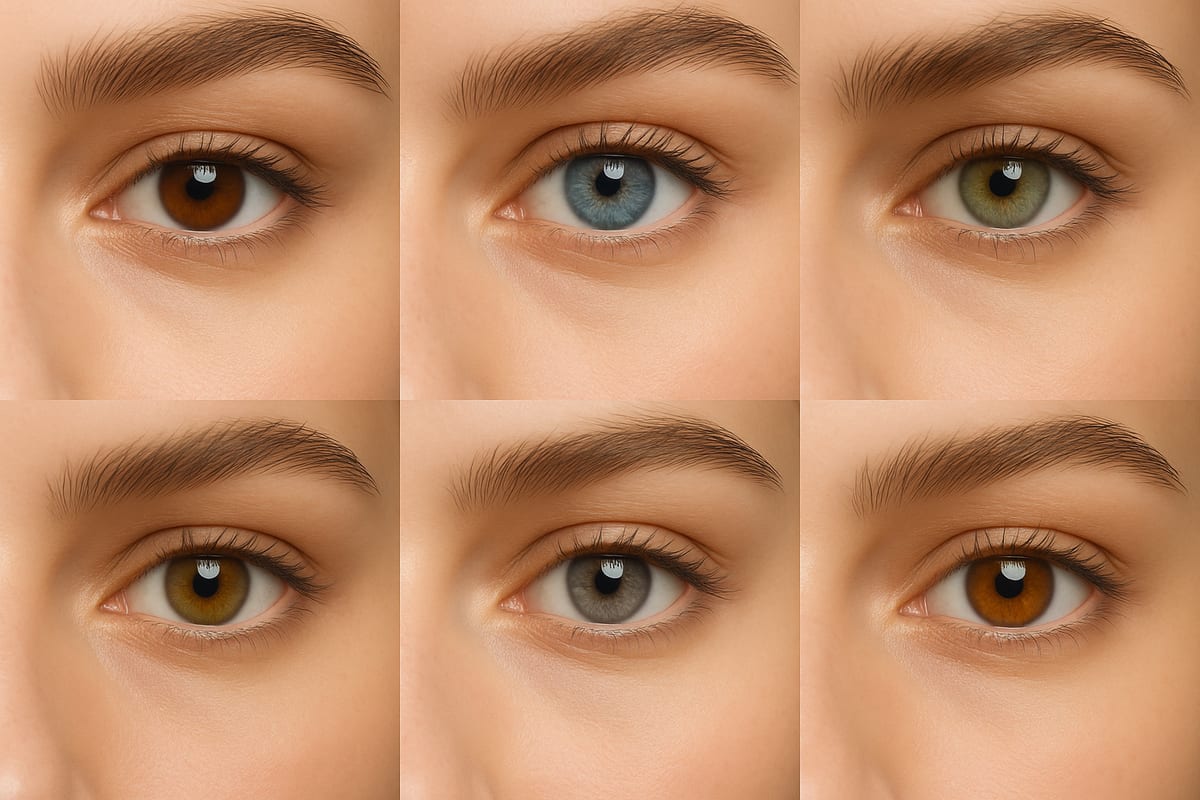
Brown eyes are often described as warm, steady, loyal, and approachable. In many cultures, dark eyes are linked to stability, emotional depth, and quiet confidence.
Those descriptions are cultural patterns, not personality facts. Brown eyes are the most common eye color globally, so many of the meanings attached to them come from familiarity and contrast rather than biology.
Blue Eyes: Calm, Open, and Hard to Forget?
Blue eyes are commonly associated with openness, softness, calmness, or a striking presence. In beauty and media coverage, they are often treated as bright, high-contrast, and highly photogenic.
That does not mean blue-eyed people share the same personality. What people are often reacting to is light reflection, contrast with lashes or brows, and how blue irises change under different lighting.
Green, Hazel, Gray, and Amber Eyes: The Rare-Eye Effect
Rarer eye colors are frequently linked with mystery, intensity, creativity, and independence. Green eyes especially tend to be described as magnetic, while hazel eyes are framed as unpredictable because their tones shift.
Gray and amber eyes get similar treatment because they look different from one setting to another. The more unusual the eye color appears, the more likely people are to assign dramatic traits to it.
What Science Actually Says
Eye color is driven mainly by melanin distribution and genetics, not by temperament. Genes such as OCA2 and HERC2 affect pigmentation, but there is no accepted scientific rule that blue eyes mean one personality type and brown eyes mean another.
Some studies look at how eye color affects perception, pain sensitivity, or light sensitivity in narrow contexts, but that is not the same as proving a personality profile.
What Eye Color May Influence in Real Life
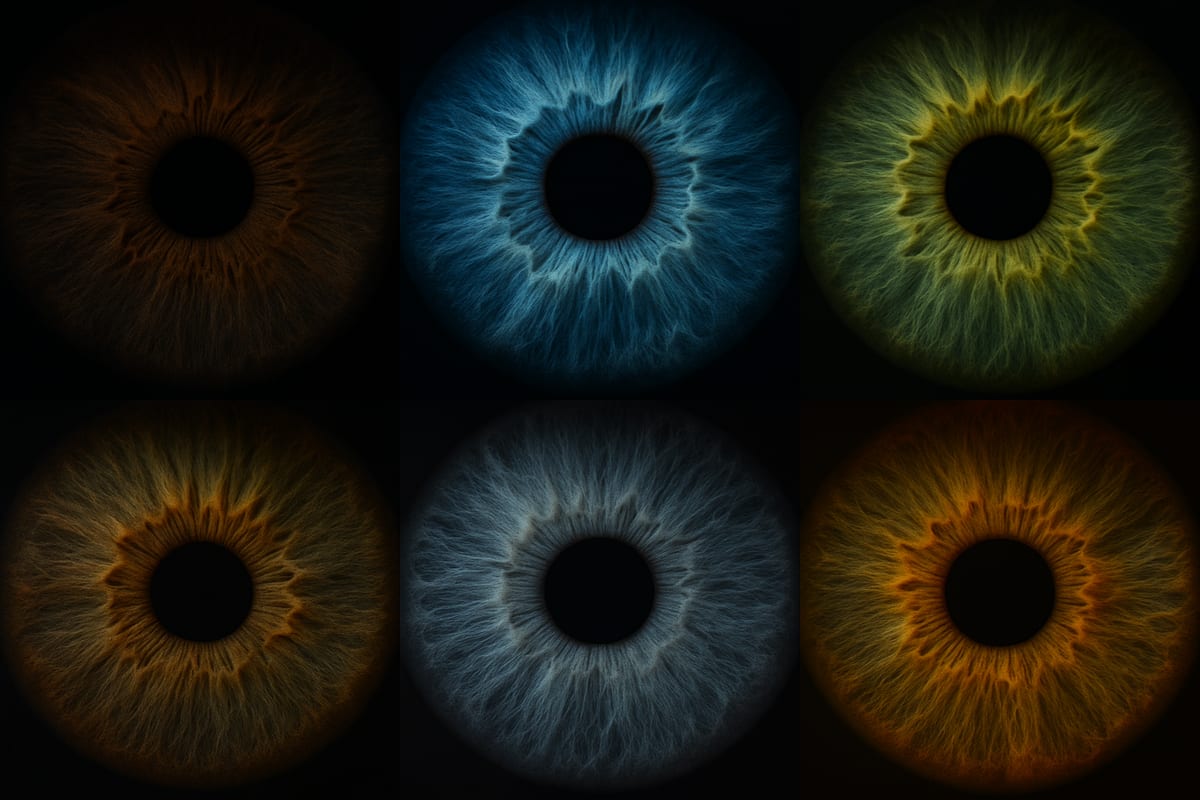
Eye color can influence styling choices, camera presence, and how people read facial contrast. Brown eyes often look richer in warm lighting, blue eyes pop in cool light, and hazel or gray eyes may look different throughout the day.
That is why eye color works better as a beauty, identity, and self-expression topic than a personality test. A precise scan often reveals undertones people never notice in the mirror.
The Best Way to Read Eye Color Meanings
Treat eye color meanings as social symbolism, not as a fixed truth about yourself. If a description feels familiar, it may reflect personal style or the way others respond to your features rather than something encoded in the iris.
If you want a practical takeaway, focus on your real undertones, rarity, and contrast. Those details are more useful for styling and self-understanding than generic personality labels.