What an Eye Color Analyzer Actually Helps You Answer
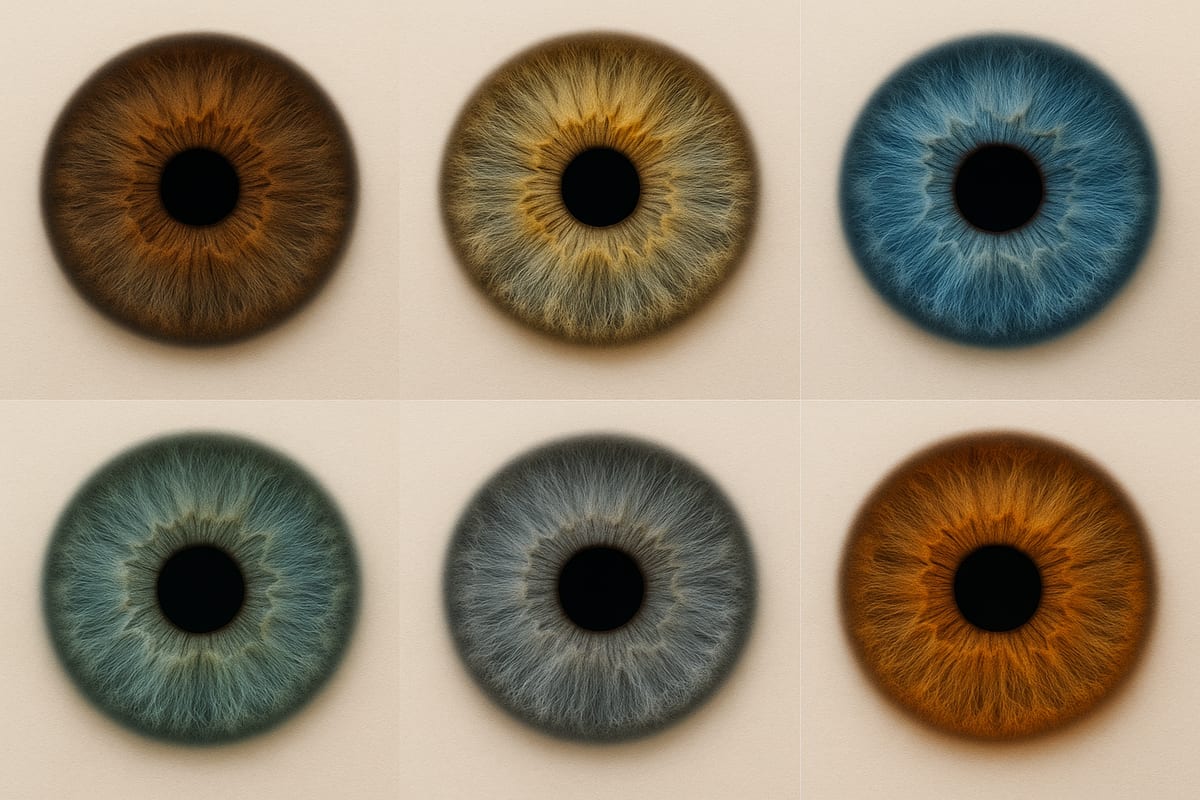
Most people do not need help telling blue from brown. The real confusion happens in the middle: hazel vs. light brown, gray vs. blue-gray, amber vs. warm brown, or green eyes with a gold ring near the pupil.
An eye color analyzer gives you a closer read than a quick mirror check. It helps you slow down, look at the iris in detail, and spot undertones that disappear in everyday lighting.
Why Eye Color Is Harder to Judge Than It Seems
Eye color shifts with light, distance, camera quality, and even what you are wearing. A hazel iris can look green outside, brown indoors, and almost honey-colored in a flash photo.
That is why people search for an analyzer in the first place. They are usually not asking for a random label. They want a second opinion that feels more precise than guessing.
How to Use an Eye Color Analyzer Well
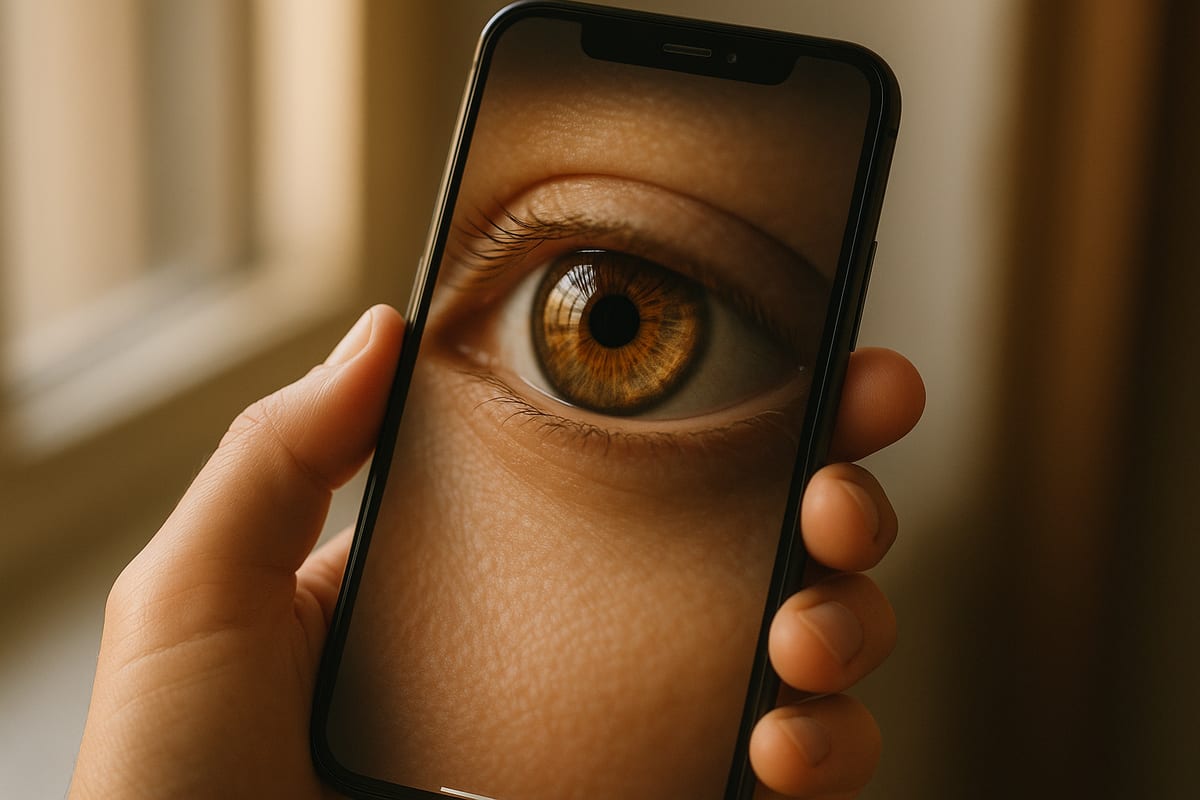
Use a sharp photo with one eye filling most of the frame. Window light works better than overhead bulbs, and straight-on photos work better than dramatic side angles.
Skip heavy filters, beauty modes, and colored contacts. If the iris texture is soft or the whites of the eyes are blown out, the result will be less useful no matter how good the tool is.
What a Good Analysis Should Tell You
A useful eye color result should do more than say "brown" or "blue." It should point out the dominant base color, any secondary tones, and where those tones show up in the iris.
That matters because many eyes are mixed. Someone with brown eyes may have amber spokes. Someone with gray eyes may actually have blue-gray outer rings and warmer flecks near the center.
Common Results People Misread
Hazel is the classic example. Many people call hazel eyes green when sunlight pulls out the green, then call them brown indoors. Amber is another one: it often gets lumped into brown even when it has a clear copper or golden cast.
Gray eyes are misread constantly too. A cool blue eye in low saturation can look gray, while a true gray iris often looks smoky or silver rather than bright or icy.
When an Analyzer Is Most Useful
These tools are most useful when you are between categories, comparing old photos, checking how rare your eye color might be, or trying to settle a long-running argument with friends or family.
They are also practical for people choosing makeup shades, contact lens colors, or wardrobe tones. Once you know whether your eyes lean warm, cool, green, golden, or neutral, those decisions get easier.
The Best Next Step After You Get a Result
If the result lands between two shades, compare your eyes against a chart and a few close-up examples instead of trusting a single label. Classification pages and rarity guides are often where the answer becomes obvious.
The goal is not to force your iris into the neatest category. The goal is to describe what is actually there.