What an Eye Color Detector Is Trying to Detect
The obvious part is the main eye color. The harder part is deciding how to classify a mixed iris that has more than one believable answer.
A detector is useful because it looks past the quick impression. It can separate base color from visible undertones and help you describe the eye more accurately.
The Easy Cases and the Hard Cases
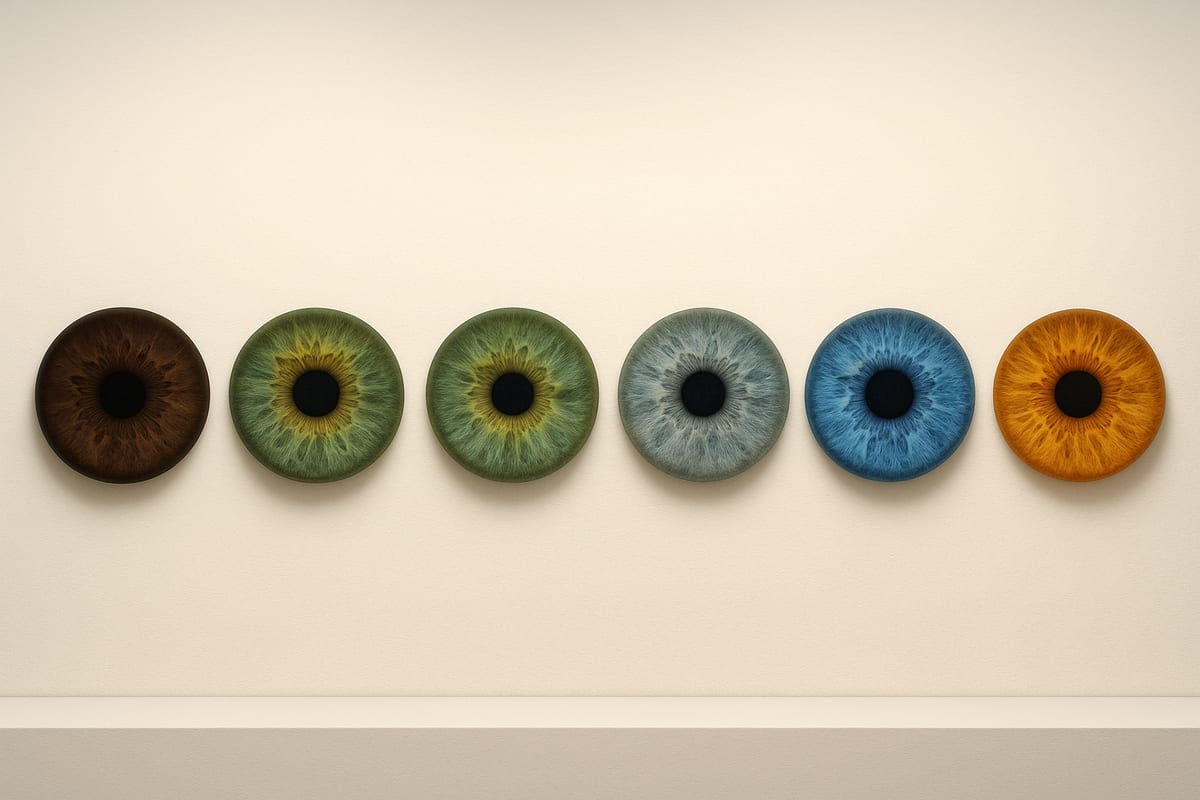
Pure, saturated blue eyes are usually easy. So are deep brown eyes. The messy cases are the ones people actually search for: hazel that looks green in sunlight, amber that reads brown indoors, gray eyes with blue edges, or dark brown eyes that look almost black.
Those are exactly the cases where a detector earns its keep.
How Eye Color Detection Usually Works
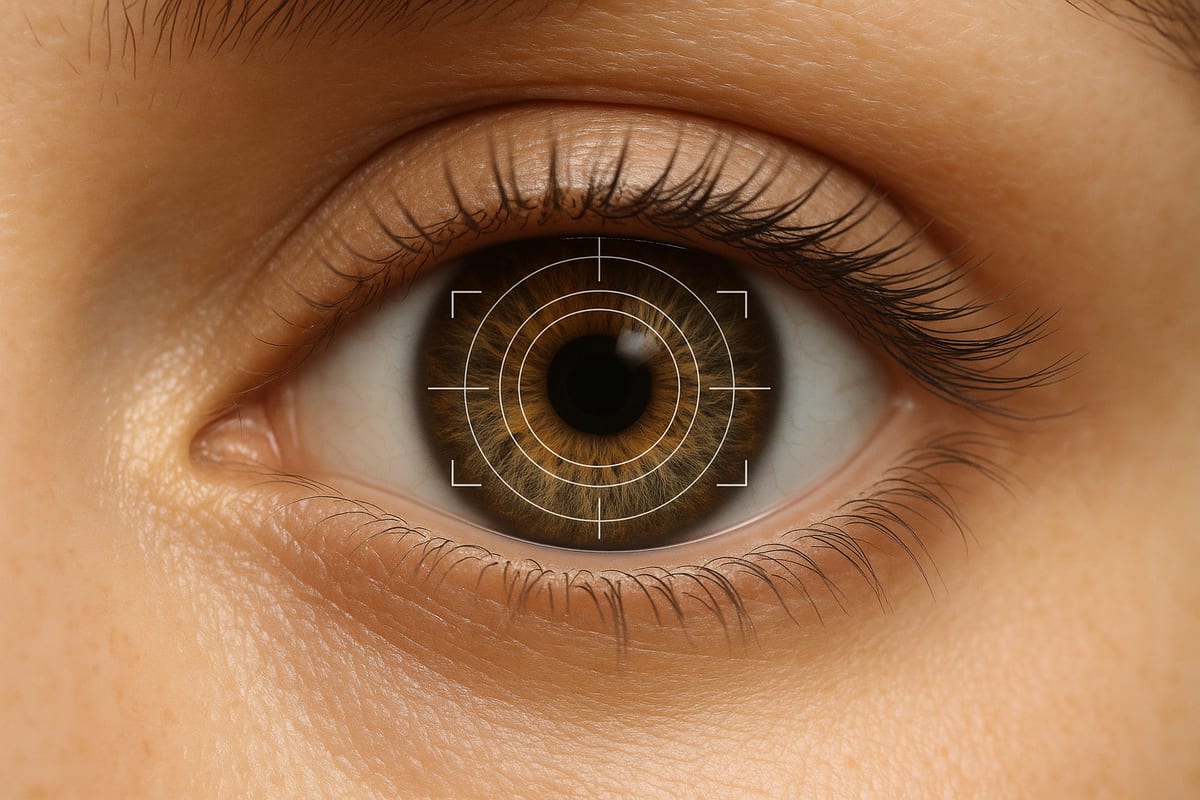
Most detection tools start by isolating the iris area, then looking at color distribution rather than a single center point. That matters because the edge of the iris and the area around the pupil often tell different stories.
A useful detector does not just average the whole eye into one muddy color. It notices whether the iris has a warm center, a cool outer ring, radial amber streaks, or a low-saturation gray cast.
Why Brown, Hazel, Amber, and Gray Cause So Much Debate
These four categories overlap visually more than people expect. Brown can contain gold. Hazel can swing green or brown depending on the room. Amber sits close to warm brown but has a stronger honey or copper look. Gray can look blue until the saturation drops.
If you have spent years hearing different answers from different people, that is normal. Your eye may genuinely land near a boundary rather than fitting neatly into one bucket.
How to Get a More Trustworthy Detection
Use multiple photos in similar natural light and compare the overlap. If three images keep pointing toward hazel with warm gold near the pupil, that is more persuasive than a single dramatic selfie.
It also helps to compare the result against reference pages for the closest categories. Detection is stronger when it is backed up by examples.
What a Detector Cannot Tell You on Its Own
It cannot settle every edge case with scientific finality, and it cannot override a bad source photo. It also cannot tell you how your eyes look in motion, across seasons, or under every possible light source.
Think of it as a strong visual aid, not a magical verdict. It narrows the answer and makes the remaining judgment easier.
A Better Way to Use Detection Results
Use the result to branch into the next useful question: Are your eyes hazel or green? Brown or amber? Gray or blue-gray? Rare or just unusually lit? That is where the real search journey goes next.
The most valuable detector pages do not stop at detection. They help people move into comparison, rarity, and explanation.